
Can a Chipped Tooth Be Fixed with a Crown?
A chipped tooth can be a source of both physical discomfort and emotional distress. Whether it’s a minor chip or a more substantial fracture, a damaged tooth can affect your ability to chew comfortably and leave you feeling self-conscious about your smile. Fortunately, there are several dental restoration options available, and depending on the severity of the chip, a dental crown might be the answer to regaining your confident smile.
Understanding the Damage: Assessing Your Chipped Tooth
The first step is to determine the severity of the chip. Here’s a breakdown of factors your dentist will consider:
- Size and Location of the Chip: A small chip on the enamel surface might be addressed with simpler solutions like bonding. However, a larger chip or one that extends to the dentin layer (beneath the enamel) might require a crown for optimal protection and restoration.
- Pain and Sensitivity: A chipped tooth can sometimes cause pain or sensitivity, especially when exposed to hot or cold temperatures. If you experience discomfort, it’s crucial to consult your dentist to assess the extent of the damage and determine the most suitable treatment option.
- Overall Tooth Health: The overall health and condition of the tooth will also play a role in the treatment plan. If the tooth is already weakened by decay or cracks, a crown might be necessary to provide added support and prevent further damage.
Treatment Options for Chipped Teeth:
Depending on the severity of the chip, your dentist might recommend one of the following restorative procedures:
- Dental Bonding: For minor chips confined to the enamel layer, dental bonding is a relatively quick and affordable solution. A composite resin material, matched to the color of your surrounding teeth, is bonded to the chipped area to restore its shape and appearance.
- Veneers: Veneers are thin shells of porcelain or resin that are custom-made to bond to the front surface of the tooth. This option is suitable for chips that involve a larger portion of the tooth’s enamel or for addressing discoloration alongside the chip.
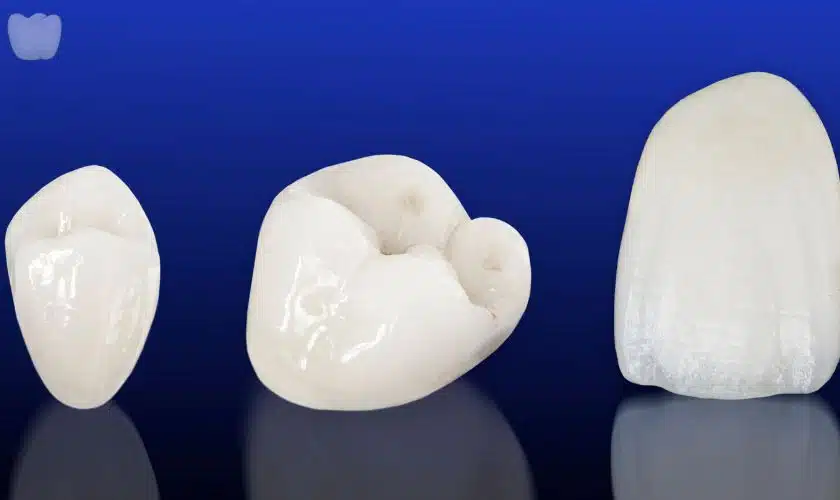
- Dental Crowns: Crowns are caps that completely encase the tooth above the gum line. They are the most durable restoration option and are often recommended for larger chips, cracks extending below the gum line, or teeth that have undergone root canal treatment and require additional support.
The Case for Crowns: When They’re the Right Choice for Chipped Teeth
Crowns offer several advantages when it comes to repairing chipped teeth, especially in more severe cases:
- Strength and Durability: Crowns are made of strong, long-lasting materials like porcelain or zirconia, providing superior protection for the tooth compared to bonding or veneers. This is crucial for chipped teeth that have lost significant structure or are prone to further damage due to chewing or grinding.
- Improved Aesthetics: Crowns can be custom-made to perfectly match the color, shape, and size of your surrounding teeth, creating a natural and seamless restoration.
- Protection from Further Damage: A crown acts as a protective cover, shielding the damaged tooth from further decay, sensitivity, and potential fractures.
The Crown Procedure: What to Expect
The dental crown procedure typically involves two appointments:
- Preparation: During the first appointment, your dentist will numb the area around the tooth. They will then remove a small amount of tooth enamel to create space for the crown. An impression of the prepared tooth and surrounding teeth will be taken to ensure the crown fits seamlessly. A temporary crown will be placed to protect the tooth while the permanent crown is fabricated.
- Placement: At the second appointment, your dentist will remove the temporary crown and carefully place the permanent crown on the prepared tooth. They will check the fit and bite before permanently cementing the crown in place.
Maintaining Your Crown and Smile
Crowns are generally long-lasting, but proper dental hygiene practices are essential for maintaining their integrity and your overall oral health. Brushing twice daily, flossing regularly, and attending regular dental checkups are crucial for preventing future problems.
The Takeaway: Restoring Your Smile with Confidence
A chipped tooth can be a nuisance, but with advancements in dental technology, there are effective solutions to restore your smile. Consulting with your dentist is key to determining the best course of action for your specific case. If the chip is significant or the tooth requires additional protection, a dental crown might be the optimal solution for restoring your functionality, aesthetics, and confidence. Schedule an appointment with your dentist today to discuss your chipped tooth and explore the path to a healthy, beautiful smile!