
Do Dental Crowns Hurt?
Considering a dental crown? While they’re a fantastic option for restoring damaged or weakened teeth, the question of pain often pops up. Can getting a crown be a breeze, or will it leave you wincing? Let’s explore what to expect comfort-wise and how to minimize any potential discomfort during the crown procedure.
Understanding Dental Crowns:
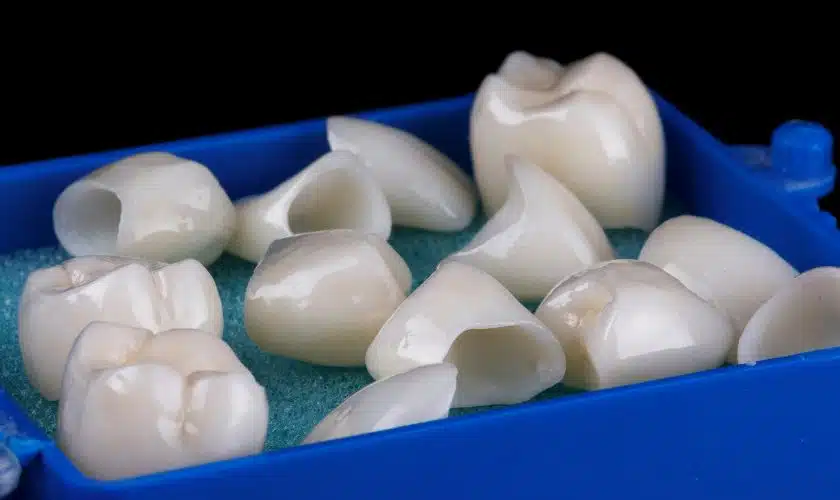
A dental crown is a cap-like restoration that is placed over a damaged or weakened tooth to restore its shape, size, strength, and appearance. Crowns can be made from various materials such as porcelain, metal, or a combination of both, and they are custom-made to fit each patient’s unique dental anatomy.
The Crown Procedure:
The process of getting a dental crown typically involves several steps:
- Tooth Preparation: Your dentist will prepare the tooth by removing any decayed or damaged areas and shaping it to accommodate the crown.
- Impressions: Impressions or digital scans of your teeth are taken to create a custom crown that fits perfectly.
- Temporary Crown: While your permanent crown is being fabricated, a temporary crown may be placed to protect the prepared tooth.
- Placement: Once the permanent crown is ready, it is cemented or bonded onto the tooth using dental adhesive.
Does It Hurt?
The placement of a dental crown is not typically painful because the tooth is numbed with local anesthesia during the procedure. This ensures that you remain comfortable and pain-free throughout the process. However, it is normal to experience some sensitivity or discomfort in the days following the crown placement, especially as the anesthesia wears off.
Managing Discomfort:
To alleviate any discomfort after getting a dental crown, you can:
- Take Pain Medication: Over-the-counter pain relievers such as ibuprofen or acetaminophen can help reduce any pain or soreness.
- Avoid Hard or Sticky Foods: Stick to soft foods and avoid chewing on the side of the mouth with the new crown to prevent irritation.
- Maintain Good Oral Hygiene: Brush and floss gently around the crowned tooth to keep it clean and prevent any complications.
- Follow Post-Procedure Instructions: Your dentist will provide specific instructions on how to care for your new crown and what to expect during the healing process. It’s essential to follow these guidelines closely.
Conclusion:
While getting a dental crown placed does not typically hurt due to the use of local anesthesia, some discomfort or sensitivity may be experienced afterward. However, this discomfort is usually manageable and temporary. If you have any concerns or experience severe pain after getting a dental crown, be sure to contact your dentist for further evaluation and assistance. With proper care, a dental crown can provide long-lasting protection and restoration for your tooth, allowing you to enjoy a healthy and beautiful smile.
Tooth Extraction Pain: What You Need to Know
5 Brushing Mistakes Sabotaging Your Dental Cleaning Routine