
HOW DENTAL IMPLANTS SAVE YOUR SMILE
A smile can say so much about a person, yet many of us may not be able to show off our natural grins due to missing or damaged teeth. Fortunately, dental implants offer an effective and long-term solution to restoring your smile – find out how in this article!
Introduction to Dental Implants
Dental implants are a wonderful option for people who have lost one or more teeth. Unlike dentures, which can slip and be uncomfortable, implants are securely anchored in the mouth, providing a natural looking and feeling replacement for your missing teeth.
There are many reasons why you might consider dental implants. Maybe you’ve lost a tooth due to an injury or accident. Perhaps you’ve had teeth extracted due to gum disease. Or maybe you simply want to replace some old, worn-out teeth with something that looks and feels more natural.
Whatever your reasons, dental implants can provide a great solution for restoring your smile. In addition to being more comfortable and secure than dentures, implants can also help preserve the health of your jawbone and prevent further tooth loss down the road.
Benefits of Dental Implants
Dental implants are a popular and effective way to restore your natural smile. Here are some of the benefits of dental implants:
1. Dental implants are permanent. Unlike dentures or bridges, which can eventually need to be replaced, dental implants will last a lifetime with proper care.
2. Dental implants look and feel like natural teeth. This means that you can eat and drink whatever you want without worrying about your dentures slipping or falling out.
3. Dental implants improve your oral health. Because they fuse to your jawbone, dental implants help to stimulate bone growth and prevent bone loss in the jaw. This can help to keep your teeth healthy and strong over time.
4. Dental implants are convenient. You don’t have to worry about taking them out for cleaning or soaking like you do with dentures. Just brush and floss them like normal!
Types of Dental Implants
There are two main types of dental implants: endosteal and subperiosteal.
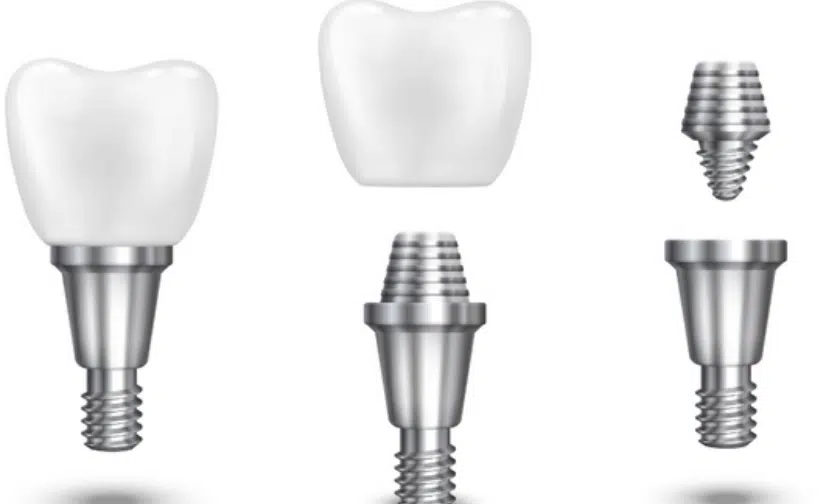
Endosteal implants are the most common type. They are placed directly into your jawbone. Once the implant heals, a small post is attached to it. Your artificial tooth is then attached to the post.
Subperiosteal implants are placed under the gum but on or above the jawbone. A metal frame is placed on top of the jawbone, and as it heals, the metal frame becomes fused to the bone. Once healed, posts can be attached to the frame, and your artificial teeth can be attached to the posts.
The Procedure for Getting Dental Implants
If you’re considering dental implants, you’re probably wondering what the procedure entails. Here’s a quick overview of the steps involved in getting dental implants:
1. Consultation: During your consultation, your dentist will assess your candidacy for dental implants and develop a treatment plan.
2. Surgery: The next step is surgery, during which your implant(s) will be placed in your jawbone.
3. Osseointegration: Once your implant(s) are in place, they will need to fuse with your jawbone through a process called osseointegration. This can take several months.
4. Abutment placement: Once osseointegration is complete, your dentist will place an abutment (a small connector piece) on top of the implant.
5. Restoration placement: The final step is to place your dental restoration (whether it’s a crown, bridge, or denture) on top of the abutment.
Aftercare and Maintenance
Dental implants are a great way to restore your natural smile. However, it is important to keep up with the aftercare and maintenance of your dental implants in order to keep them looking their best. Here are a few tips for aftercare and maintenance of your dental implants:
-Brush and floss your teeth twice a day, just as you would with your natural teeth. Be sure to use a soft-bristled toothbrush and gentle flossing motions.
-Visit your dentist regularly for checkups and cleanings. Your dentist will be able to spot any early signs of problems with your dental implants and can help keep them clean and healthy.
-Avoid chewing on hard foods or using your teeth as tools. This can damage your dental implants or cause them to become loose. If you do chew on hard foods, be sure to do so carefully.
-If you smoke cigarettes, consider quitting. Smoking can damage your dental implants and increase the risk of complications from implant surgery.
Risks and Side Effects of Dental Implants
Dental implants are a great way to restore your natural smile, but there are some risks and side effects associated with them. The most common side effect is inflammation of the gums around the implant site. This can usually be treated with over-the-counter anti-inflammatory medication. Other potential side effects include infection at the implant site, nerve damage, and sinus problems. These complications are rare, but it’s important to be aware of them before you undergo dental implant surgery. Talk to your dentist about all of the risks and side effects associated with dental implants before you make a decision to get them.
Alternatives to Dental Implants
There are a few alternatives to dental implants that can help restore your natural smile. One option is dentures. Dentures are removable appliances that can be used to replace missing teeth. Another option is bridges. Bridges are permanent appliances that are cemented to the natural teeth on either side of the empty space.
Conclusion
Dental implants are a great way to restore your natural smile and get back the confidence you once had. Whether you need one or multiple implant placements, talk to your dentist today about how dental implants can help improve your oral health and give you back that beautiful, confident smile. With the right care and maintenance, dental implants can last for many years and provide lasting aesthetic benefits.