
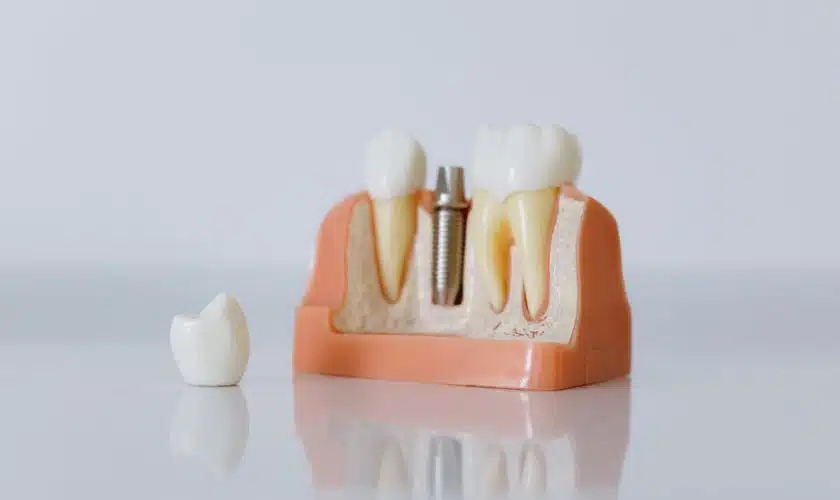
Long-Term Success: Maintaining and Caring for Your Dental Implants
Welcome to our blog! Today, we’re diving into the world of dental implants. If you’ve lost a tooth or multiple teeth, dental implants can be a game-changer for your smile and overall oral health. These remarkable replacements are designed to look, feel, and function just like natural teeth – giving you the confidence to flash those pearly whites without any hesitation.
But it’s not just about getting dental implants; it’s also about maintaining and caring for them in order to ensure their long-term success. In this article, we’ll explore the benefits of dental implants, discuss why proper care and maintenance are crucial, share valuable tips on daily oral hygiene routines for implant care, highlight the importance of regular check-ups with your dentist, provide insight into common issues that may arise with dental implants and how to prevent them, as well as offer dietary and lifestyle recommendations for optimal implant longevity.
So sit back (or lean in if you’re truly intrigued!), grab a cup of tea or coffee (whichever tickles your taste buds), and let’s delve into everything you need to know about maintaining and caring for your dental implants. It’s time to give those implausible imitations some tender loving care!
Benefits of Dental Implants
Dental implants offer a multitude of benefits that make them an attractive option for individuals looking to restore their smile. First and foremost, dental implants are designed to look, feel, and function just like natural teeth. This means that once the implant is placed and the healing process is complete, you can enjoy eating your favorite foods without any discomfort or restrictions.
Another major benefit of dental implants is their durability. Unlike other tooth replacement options such as dentures or bridges, dental implants are made to last a lifetime with proper care. They are anchored securely into the jawbone, providing a strong foundation for biting and chewing.
In addition to improving functionality, dental implants also have aesthetic advantages. With their natural appearance and custom-made crowns, they seamlessly blend in with your existing teeth. This allows you to smile confidently knowing that your dental implant will not be noticeable to others.
Furthermore, dental implants help preserve oral health by preventing bone loss in the jaw. When a tooth is missing for an extended period of time, the underlying bone can deteriorate over time. By placing an implant in the empty space left by a missing tooth root, it stimulates the surrounding bone tissue and prevents further deterioration.
Dental implants offer numerous benefits including improved appearance, enhanced functionality for eating and speaking comfortably, long-term durability, and preservation of oral health. If you’re considering replacing missing teeth or want to upgrade from removable dentures or bridges, dental implants may be just what you need!
The Importance of Proper Care and Maintenance
Proper care and maintenance of dental implants is essential for their long-term success. Dental implants may look and function like natural teeth, but they require specific attention to ensure they stay healthy and functional for years to come.
One of the most important aspects of caring for dental implants is maintaining a diligent oral hygiene routine. This includes brushing at least twice a day with a soft-bristled toothbrush and fluoride toothpaste. Flossing around the implant area is also crucial to remove any plaque or food particles that can cause gum inflammation or infection.
Regular visits to your dentist are another key component in maintaining dental implant health. Your dentist will be able to monitor the condition of your implants, perform professional cleanings, and address any issues before they escalate into more significant problems.
It’s important to note that certain habits can negatively impact the longevity of dental implants. Avoid chewing on hard objects such as ice or pens, as this can damage both natural teeth and implants alike. Additionally, refraining from smoking or using tobacco products will benefit not only your overall health but also the integrity of your dental implants.
By following these guidelines and incorporating proper care into your daily routine, you can greatly increase the chances of long-term success with your dental implants. So remember, take good care of those pearly whites – both real and artificial – for a lifetime full of smiles!
Daily Oral Hygiene Routine for Dental Implants
Maintaining a daily oral hygiene routine is crucial for the long-term success of your dental implants. With proper care and attention, you can ensure that your implants stay healthy and functional for many years to come.
Brushing your teeth at least twice a day is essential for keeping your dental implants clean. Use a soft-bristled toothbrush and fluoride toothpaste to gently brush all surfaces of your teeth, including the areas around the implant posts. Be sure to pay extra attention to any hard-to-reach areas where plaque may accumulate.
In addition to brushing, it’s important to floss daily to remove any food particles or bacteria that may be trapped between your teeth and around the implant area. Dental floss or interdental brushes are effective tools for cleaning these spaces thoroughly.
Using an antimicrobial mouthwash can also help prevent infection and maintain good oral health. Rinse with mouthwash after brushing and flossing, making sure it reaches all areas of your mouth, including around the dental implants.
Regularly clean any removable prosthetics attached to your implants, such as dentures or bridges. Follow the manufacturer’s instructions on how best to clean these appliances without damaging them or compromising their fit.
Remember to schedule regular check-ups with your dentist for professional cleanings and examinations. Your dentist will assess the condition of your dental implants during these visits and address any issues before they become more serious problems.
By following a consistent daily oral hygiene routine and seeking professional care regularly, you can ensure the longevity of your dental implants while maintaining optimal oral health overall. So make it a habit – take care of those pearly whites!
Regular Check-Ups and Professional Cleanings
Regular dental check-ups and professional cleanings are crucial for maintaining the health and longevity of your dental implants. These routine visits to your dentist play a vital role in preventing potential issues and ensuring that your implants remain in optimal condition.
During these appointments, your dentist will carefully examine your implants, checking for any signs of infection or inflammation. They will also assess the surrounding gum tissue to ensure it is healthy and free from any complications. X-rays may be taken periodically to evaluate the bone structure supporting the implants.
In addition to a thorough examination, professional cleanings are performed during these check-ups. Your dental hygienist will use special tools to remove plaque buildup around the implant crowns and along the gum line. This helps prevent bacteria from causing infections or gum disease that could compromise the stability of your implants.
By scheduling regular check-ups and professional cleanings, you can address any potential issues early on before they escalate into more significant problems. Your dentist can provide personalized advice on how to improve oral hygiene practices specific to your implant needs, ensuring long-term success with minimal complications.
Remember, prevention is always better than treatment when it comes to maintaining healthy dental implants! So don’t skip those regular check-ups – they’re an essential part of caring for your investment in a beautiful smile.
Common Issues with Dental Implants and How to Prevent Them
While dental implants are a highly successful tooth replacement option, it’s important to be aware of potential issues that can arise. By taking proactive steps and following proper care guidelines, you can minimize the risk of complications and ensure the longevity of your dental implants.
One common issue is peri-implantitis, which is similar to gum disease but specifically affects the tissues around dental implants. This condition can lead to inflammation, infection, and even implant failure if left untreated. To prevent peri-implantitis, it’s crucial to maintain good oral hygiene practices such as regular brushing and flossing.
Another potential problem is implant failure due to improper osseointegration. This occurs when the implant does not fuse properly with the surrounding bone tissue. To avoid this issue, it’s essential to choose an experienced dentist who will carefully evaluate your jawbone density before proceeding with the implant procedure.
In some cases, patients may experience implant fractures or loosening over time. These issues can often be prevented by avoiding excessive force on the implants through habits like teeth grinding or biting on hard objects. Wearing a nightguard or mouthguard can provide additional protection for your dental implants.
Maintaining overall oral health is key in preventing any complications with dental implants. Regular visits to your dentist for check-ups and professional cleanings will allow early detection of any potential problems before they escalate into more serious issues.
By being proactive in caring for your dental implants and seeking prompt treatment for any concerns that arise, you can increase their lifespan and enjoy long-term success with your restored smile!
Diet and Lifestyle Habits for Long-Term Success
In addition to proper care and maintenance, incorporating healthy habits into your daily life can significantly contribute to the long-term success of your dental implants. Here are some diet and lifestyle tips to keep in mind:
- Eat a Balanced Diet: Maintaining a well-balanced diet rich in vitamins and minerals is essential for overall oral health. Include plenty of fruits, vegetables, lean proteins, and whole grains in your meals.
- Limit Sugary Foods and Beverages: Excessive sugar consumption can lead to tooth decay and gum disease, which may compromise the stability of your dental implants. Try to reduce your intake of sugary foods and drinks.
- Avoid Hard or Sticky Foods: Although dental implants are durable, they can still be damaged by chewing on hard objects or biting into sticky foods like caramel or taffy. Be cautious when eating these types of items.
- Quit Smoking: Smoking not only increases the risk of implant failure but also contributes to various oral health problems such as gum disease and bone loss. If you smoke, consider quitting for the sake of your overall health as well as the longevity of your dental implants.
- Practice Good Oral Hygiene Habits: Brushing twice a day with a soft-bristle toothbrush, flossing daily with implant-friendly techniques (such as using waxed floss), and rinsing with an antibacterial mouthwash will help maintain good oral hygiene around your dental implants.
- Protect Your Implants During Physical Activities: If you participate in contact sports or activities that could put your teeth at risk (e.g., martial arts), wearing a mouthguard can protect both natural teeth and dental implants from potential trauma.