
Science Behind Braces: How They Work To Align Teeth
Are you curious about how braces work to straighten teeth? You’re not alone! Many people wonder what magic lies behind these devices that have transformed countless smiles. The truth is, there’s science behind the art of orthodontics. Braces use a combination of gentle force and time to move your teeth into their ideal position. In this blog post, we’ll explore the fascinating world of braces and uncover just how they do their job. So sit back, relax, and get ready to learn all about the science behind braces!
How braces work
Braces are orthodontic appliances that help to straighten and align teeth. But how do they work? Braces use constant, gentle pressure to move the teeth into their correct position over time. The force applied by braces causes the bone tissue surrounding the teeth to remodel, allowing them to shift in response.
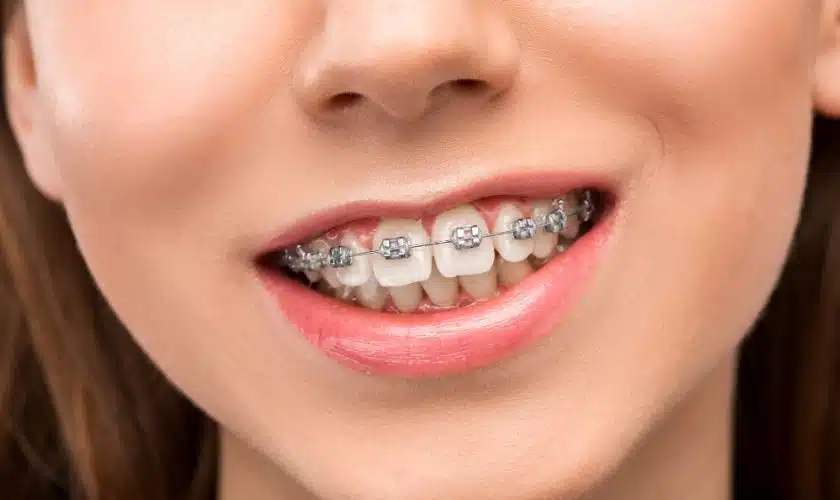
The most common type of braces include metal brackets, wires, and rubber bands. The brackets are attached to each tooth using a special adhesive while archwires connect these brackets together. Over time, as treatment progresses, these wires are tightened or adjusted according to your specific needs.
As the wire tightens or gets adjusted during routine check-ups with an orthodontist every few weeks, it puts pressure on your teeth which slowly moves them toward where they should be positioned. In addition to this method of applying pressure through wires and elastic bands for alignment purposes; some newer technologies like clear aligners have become available too!
All in all, no matter what type of braces you choose – whether it’s traditional metal ones or clear alternatives like Invisalign – they all use similar principles of applying controlled forces over a prolonged period so that teeth can be shifted into their proper positions gradually!
Different types of braces
There are several different types of braces available for those seeking orthodontic treatment. The most common type is traditional metal braces, which consist of brackets attached to the teeth and wires that apply pressure to shift them into place.
Ceramic braces are similar in design to metal braces, but they use clear or tooth-colored brackets and wires that blend in with the teeth. This makes them a more discreet option for those who may be self-conscious about their appearance during treatment.
Lingual braces are another option that uses brackets and wires mounted on the backside of the teeth, making them virtually invisible from the front. However, they can be more difficult to clean and adjust than other types of braces.
Invisalign is a popular alternative to traditional braces that uses clear aligners made from plastic material instead of brackets and wires. They are removable for eating and cleaning but require strict compliance with wearing them consistently throughout the day.
Each type of brace has its own unique advantages and disadvantages depending on individual needs and preferences. A consultation with an orthodontist can help determine which type is best suited for each patient’s specific case.
The benefits of braces
Braces are not just about enhancing the appearance of your smile. They offer many benefits beyond a perfect set of teeth. Properly aligned teeth can improve your oral health, confidence, and overall quality of life.
One significant advantage of having braces is that they help prevent or mitigate dental problems such as tooth decay, gum disease, and jaw pain caused by misaligned teeth. When your bite is off, it causes uneven pressure on certain teeth which eventually leads to more severe dental issues.
Braces also make it easier to clean your teeth properly since no gaps or crevices will be present where food particles can get stuck. With straighter teeth, you’ll find brushing and flossing more comfortable and effective in maintaining good oral hygiene.
In addition to these health benefits, having well-aligned teeth has been shown to boost self-confidence for those who feel insecure about their smile. The social stigma associated with crooked or crowded teeth can disappear once you have a beautiful smile that you’re proud to show off.
To sum up, braces go beyond cosmetic purposes; they provide numerous advantages that contribute positively toward better oral health and an improved sense of self-esteem.
How long does it take to see results from braces?
One of the most common questions people have when considering braces is how long it will take to see results. Unfortunately, there’s no one-size-fits-all answer to this question, as the length of treatment time can vary depending on a number of factors.
One important factor is the severity of the orthodontic issue being addressed. Patients with mild crowding or spacing issues may see results in as little as six months, while those with more complex cases could require two years or more.
Another important factor that can affect treatment time is patient compliance. It’s essential that patients follow their orthodontist’s instructions carefully and attend all appointments to ensure that their treatment progresses as quickly as possible.
While it may take some patience and dedication on your part, by following your orthodontist’s instructions carefully and sticking to your treatment plan, you’ll be able to achieve a straighter smile in less time than you might think!
Summary
To summarize, braces are an effective solution for straightening crooked teeth and achieving a perfect smile. They work by applying gentle pressure to the teeth, causing them to slowly shift into their ideal position over time. There are several types of braces available today including traditional metal braces, clear ceramic braces, lingual braces, and Invisalign aligners.
While the length of treatment varies depending on each patient’s specific needs and circumstances, most people can expect to wear their braces for anywhere from 6 months to 2 years or more. However long it takes though, the end result is well worth it – a healthy and beautiful smile that you’ll be proud to show off!
If you’re considering getting braces or have any questions about orthodontic treatment options available near you then be sure to consult with your dentist or orthodontist. With their help and expertise, you can get started on your journey toward achieving that picture-perfect smile!