
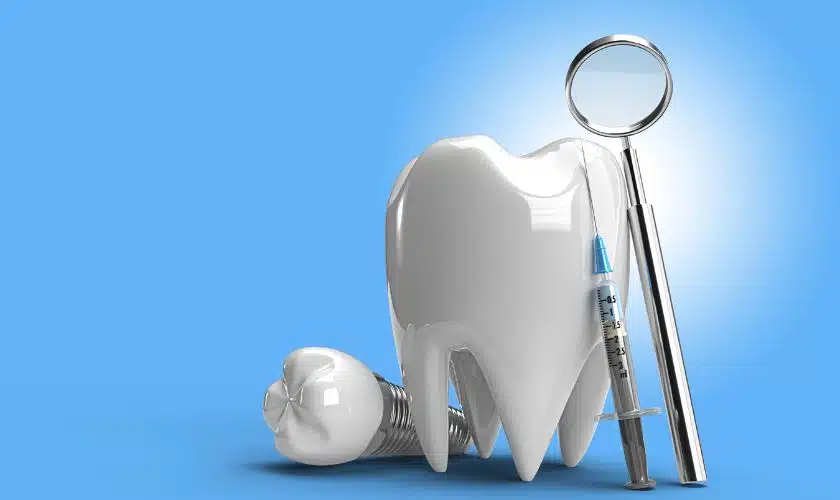
Understanding The Dental Implant Process
Are you missing teeth and self-conscious about your smile? Or perhaps tired of dealing with ill-fitting dentures or bridges? Dental implants might be the solution for you! This revolutionary dental treatment is now one of the most popular options for replacing missing teeth. But what exactly are dental implants, how do they work, and what benefits do they offer? In this blog post, we’ll dive into everything you need to know about the dental implant process – from start to finish!
What is a dental implant?
A dental implant is a surgical component that replaces the root of a missing tooth. It consists of a titanium post that is surgically placed into the jawbone, which acts as an anchor for an artificial tooth or crown.
Dental implants are considered to be one of the most effective and long-lasting solutions for restoring missing teeth. Unlike dentures, they do not slip or shift in your mouth while speaking or eating, providing you with greater comfort and confidence.
Furthermore, dental implants are designed to fuse with your jawbone over time through a process called osseointegration. This allows them to become a permanent part of your mouth, just like natural teeth.
Because dental implants are custom-made to match the color and shape of surrounding teeth, they provide patients with a seamless appearance that closely resembles their natural smile. Additionally, they can help prevent bone loss in the jaw and maintain facial structure.
Dental implants offer many benefits compared to other tooth replacement options such as bridges or dentures. They provide patients with improved chewing ability, clearer speech patterns, and enhanced oral health.
How do dental implants work?
Dental implants are the modern solution to missing teeth. They are a permanent and long-lasting option that looks, feels, and functions like natural teeth. But how do dental implants work?
The process of getting a dental implant involves three main components: the implant itself, an abutment, and a crown. The implant is made of titanium and is surgically implanted into the jawbone where it acts as an artificial tooth root.
Over time, the jawbone fuses with the implant in a process called osseointegration which makes it sturdy enough to support a prosthetic tooth on top.
Once the implant has successfully fused with the jawbone, an abutment is placed onto its surface. This piece connects the implant to a custom-made crown or bridge that matches your existing teeth.
Dental implants are incredibly durable compared to traditional dentures or bridges because they don’t rely on surrounding teeth for support. Instead, they’re anchored directly into your jawbone providing stability while you chew or speak.
Dental implants give patients more confidence in their smiles by restoring function and aesthetics in one procedure. With proper care and maintenance such as regular brushing/flossing and routine visits to your dentist every six months- they can last upwards of 25 years!
What are the benefits of dental implants?
Dental implants have become a popular choice for people looking to replace missing teeth. They offer numerous benefits that other dental treatments cannot provide. Here are some of the most significant advantages of dental implants:
1. Improved Appearance: Dental implants look and feel like natural teeth, making them an excellent option for those who want to restore their beautiful smile.
2. Enhanced Comfort: Unlike dentures, which can slip or move around in your mouth, dental implants are firmly anchored in place, providing a comfortable fit.
3. Durability: With proper care and maintenance, dental implants can last a lifetime, making them a cost-effective solution in the long run.
4. Better Oral Health: Dental implants do not require any special cleaning procedures or adhesives like traditional dentures do. This makes it easier to maintain good oral hygiene habits such as brushing and flossing regularly.
5. Improved Speech: Missing teeth can often affect speech patterns due to slurred speech or mumbling sounds caused by gaps in the mouth area where teeth once were placed; however, with dental implant treatment restored speech clarity is possible!
Choosing dental implant treatment offers many benefits over other tooth replacement options available today!
How long does it take to receive a dental implant?
The length of time it takes to receive a dental implant depends on several factors, including the patient’s oral health and the complexity of their case. Generally, the process can take anywhere from a few weeks to several months.
The first step in receiving an implant is a consultation with your dentist or oral surgeon. During this appointment, they will evaluate your overall health and assess whether you have enough bone density in your jaw to support an implant.
If you need additional bone tissue, your dentist may recommend a bone graft procedure before moving forward with placing the implant. This can add additional time to the overall process.
Once you are cleared for surgery, the actual placement of the implant typically takes less than an hour. However, it can take up to six months for the implant to fuse securely with your jawbone through a process called osseointegration.
After this healing period is complete, you’ll return for another appointment where your dentist will attach abutments (small metal posts) onto each implant that will hold replacement teeth or dentures in place permanently.
While there are many steps involved in receiving dental implants – including consultations and waiting periods – most patients agree that it’s worth taking as much time as necessary for such life-changing results.
Summary
To sum it up, dental implants are an excellent solution to restore missing teeth. They are a long-term investment in your oral health and offer many benefits over other tooth restoration methods. The process may take several months, but the results are worth it.
Understanding the dental implant process is crucial as it allows you to make informed decisions about your oral health. Discuss all aspects of the procedure with your dentist or oral surgeon before deciding whether dental implants are right for you.
With proper care and maintenance, dental implants can last a lifetime. If you have any questions about the process or want to learn more about how they work, reach out to your dentist today!