
Understanding the Reasons for Tooth Extractions in Brookings: What You Should Expect
Welcome to our blog post on tooth extractions in Brookings! Whether you’re experiencing dental pain or have a problematic tooth that needs to be removed, understanding the process and what to expect can help ease any anxieties you may have. In this article, we’ll delve into the reasons for tooth extractions, how they are performed, and provide helpful tips for aftercare. So let’s dive in and gain a better understanding of this common dental procedure!
What is a Tooth Extraction?
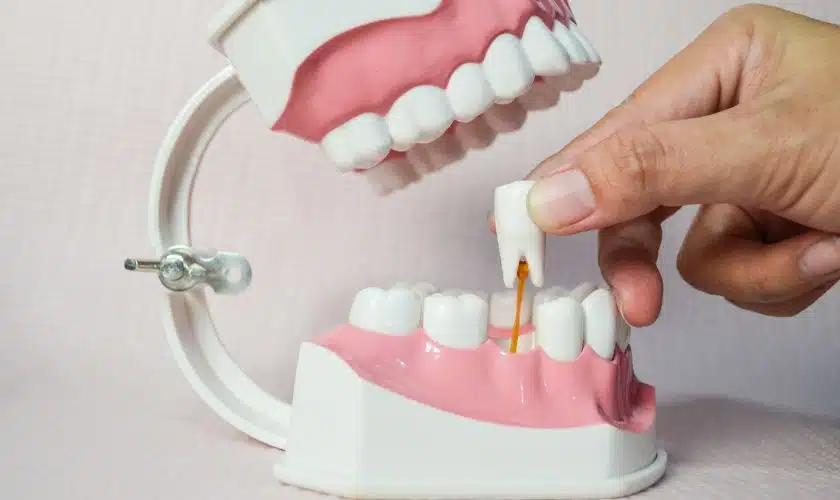
A tooth extraction, also known as dental extraction, is a procedure in which a tooth is removed from its socket in the bone. It may sound intimidating, but rest assured that dentists are well-trained and experienced in performing this common dental procedure.
There are several reasons why a tooth extraction might be necessary. One common reason is severe damage or decay that cannot be treated with other dental procedures such as fillings or root canals. In some cases, an impacted wisdom tooth may need to be extracted if it’s causing pain or affecting the alignment of surrounding teeth. Additionally, overcrowding or preparing for orthodontic treatment may require the removal of one or more teeth.
During a tooth extraction, your dentist will administer anesthesia to numb the area around the affected tooth. This ensures you won’t feel any pain during the procedure. Once you’re comfortable, your dentist will carefully loosen and remove the tooth using specialized tools.
After a tooth extraction, it’s normal to experience some bleeding and swelling at first. Your dentist will provide instructions on how to manage these symptoms and promote proper healing. It’s important to follow these guidelines carefully to minimize discomfort and reduce the risk of complications.
Taking care of your mouth after a tooth extraction involves practicing good oral hygiene habits while being mindful of certain restrictions. You’ll want to avoid vigorous rinsing or spitting for at least 24 hours after surgery to allow blood clots in the socket to form properly. Eating soft foods and avoiding hot drinks can also help protect healing tissues.
If you have any concerns following a tooth extraction such as excessive bleeding or severe pain that isn’t relieved by medication, don’t hesitate to contact your dentist right away for further guidance.
Understanding what goes into a tooth extraction can help alleviate any fears you may have about this common dental procedure. By knowing what to expect before, during, and after an extraction, you’ll feel more prepared and confident when facing this situation should it arise. Remember, your dentist is there to guide you through the process and ensure.
Reasons for Tooth Extractions
Tooth extractions, while not always the most desirable option, are sometimes necessary to maintain oral health. There are several reasons why a tooth may need to be extracted.
One common reason for extraction is severe tooth decay or damage. When a tooth is extensively decayed or fractured beyond repair, removing it can prevent further infection and discomfort. In some cases, extracting a problematic tooth can also create space for orthodontic treatment.
Another reason for tooth extraction is overcrowding. When there isn’t enough room in the mouth to accommodate all the teeth comfortably, extraction may be recommended to make space and prevent alignment issues.
Impacted wisdom teeth are another common reason for extraction. These third molars often don’t have enough space to fully emerge and can become trapped beneath the gum line, causing pain and potential infections.
Gum disease is yet another factor that could lead to extractions. If periodontal disease has progressed significantly and caused irreparable damage to the surrounding gums and bone supporting a tooth, removal might be necessary.
Additionally, certain medical conditions like cancer treatments or organ transplants can weaken the immune system, making it easier for infections from decaying teeth to spread throughout the body. In such cases, extractions may be performed as preventive measures.
Remember that each individual case is unique; your dentist will thoroughly evaluate your situation before recommending an extraction if needed. It’s important to discuss any concerns or questions you have with them during your consultation.
How is a Tooth Extraction Performed?
When it comes to tooth extractions, you may be wondering how the procedure is actually performed. The process typically involves a few steps that your dentist will follow to ensure a safe and successful extraction.
First, your dentist will start by numbing the area around the tooth with a local anesthetic. This helps to minimize any discomfort during the extraction. In some cases, sedation may also be used to help you relax if needed.
Once the area is numb, your dentist will use specialized tools to gently loosen and remove the tooth from its socket. This may involve rocking or wiggling motions to free the tooth from surrounding tissues.
If necessary, your dentist may need to make an incision in the gum tissue or remove bone around the tooth before extraction. This allows for better access and ensures that all parts of the tooth are removed completely.
After removal, your dentist will clean out any remaining debris or infection from the socket and suture it closed if necessary. They may also place gauze over the site to help control bleeding and promote clotting.
A tooth extraction is a carefully performed procedure that aims to alleviate pain or address dental issues effectively. Your dentist will provide specific instructions on post-extraction care so that you can heal properly at home.
What Can I Expect After a Tooth Extraction?
After a tooth extraction, it is normal to experience some discomfort and swelling in the area where the tooth was removed. This can be managed with over-the-counter pain medication recommended by your dentist. You may also be given a prescription for antibiotics to prevent infection.
It is important to rest and take it easy after the procedure, avoiding any strenuous activities that could dislodge the blood clot forming in the extraction site. The blood clot is crucial for proper healing, so it’s essential not to disturb it.
You may need to modify your diet temporarily while your mouth heals. Stick to soft foods like soups, mashed potatoes, yogurt, and smoothies during the first few days. Avoid hot liquids or foods that can irritate or damage the surgical site.
To promote healing and reduce swelling, you should apply an ice pack to your face near the extraction site for about 15 minutes at a time. This will help alleviate any discomfort or swelling you may experience.
Maintaining good oral hygiene is crucial during this time but avoid brushing near the extraction site for at least 24 hours after surgery. Afterward, gently rinse your mouth with warm saltwater several times daily to keep bacteria at bay without disturbing the healing process.
It is common to have slight bleeding after a tooth extraction; however, if excessive bleeding occurs or doesn’t subside within a few hours, contact your dentist immediately for further guidance.
Remember that everyone’s recovery process may vary slightly based on factors such as age and overall health condition. If you have any concerns or questions regarding post-extraction care specific to your case, don’t hesitate to reach out directly to your dentist.
How to Take Care of my Mouth After a Tooth Extraction?
Taking care of your mouth after a tooth extraction is crucial for proper healing and to prevent any complications. Here are some important tips to follow:
- Bite on gauze: After the extraction, the dentist will provide you with a piece of gauze to bite down on. This helps control bleeding and promotes blood clot formation in the extraction site.
- Avoid rinsing or spitting forcefully: For the first 24 hours, avoid rinsing your mouth vigorously or spitting forcefully as it can dislodge the blood clot and delay healing.
- Apply ice packs: To reduce swelling and discomfort, apply ice packs on your face near the extraction area for 10-15 minutes at a time.
- Take prescribed medications: Your dentist may prescribe painkillers or antibiotics to manage pain and prevent infection. Follow their instructions carefully and take medications as prescribed.
- Eat soft foods: Stick to a soft diet for a few days after the extraction, avoiding crunchy or hard foods that may irritate the extraction site.
- Maintain oral hygiene: Continue brushing your teeth but be gentle around the extraction area, avoiding any vigorous rinsing or flossing near it.
- Avoid smoking and drinking alcohol: Smoking delays healing while alcohol can interfere with medication effectiveness, so it’s best to avoid them during recovery.
Remember, everyone’s healing process is different, so if you experience excessive bleeding, severe pain, or signs of infection like fever or pus discharge from the socket, contact your dentist immediately for further guidance.
When Should I see The Dentist After a Tooth Extraction?
After undergoing a tooth extraction, it is important to keep in mind that post-operative care and follow-up visits with your dentist are crucial for proper healing. While the recovery process can vary from person to person, there are general guidelines on when you should schedule your next dental appointment.
Typically, your dentist will recommend a follow-up visit within one to two weeks after the tooth extraction procedure. This allows them to assess how well you are healing and address any concerns or complications that may have arisen. During this visit, they will examine the extraction site, remove any stitches if necessary, and provide further instructions on maintaining oral hygiene during the healing process.
However, it’s important to note that everyone’s healing rate differs. If you experience excessive bleeding that continues beyond 24 hours or severe pain that doesn’t subside with prescribed medication, it’s essential to contact your dentist immediately for guidance.
Remember, regular check-ups following a tooth extraction help ensure optimal healing and minimize the risk of complications. Your dentist will provide personalized recommendations based on your specific situation and monitor your progress as you recover from the procedure.
Understanding the reasons for tooth extractions in Brookings is essential for maintaining optimal oral health. Whether it’s due to severe decay, infection, overcrowding, or trauma, a tooth extraction may be necessary to prevent further complications and restore your smile.
During a tooth extraction procedure, your dentist will carefully remove the affected tooth using specialized instruments and techniques. While this process may sound intimidating, rest assured that modern dentistry has made significant advancements in ensuring patient comfort during the procedure.
After a tooth extraction, it’s crucial to follow proper post-operative care instructions provided by your dentist. This includes avoiding hard or sticky foods, practicing good oral hygiene habits such as gentle brushing and rinsing with saltwater solution, and taking any prescribed pain medications or antibiotics as directed.
In most cases, you should see your dentist for a follow-up appointment within a week after the extraction. This allows them to monitor your healing progress and address any concerns or complications that may arise.
Remember that every individual case is unique when it comes to tooth extractions. It’s important to consult with an experienced dentist who can assess your specific situation and provide personalized recommendations based on their expertise.
By understanding the reasons for tooth extractions in Brookings and knowing what to expect before, during, and after the procedure, you can approach dental extractions with confidence. Maintain regular dental check-ups and practice good oral hygiene habits to minimize the risk of needing future extractions.
If you’re experiencing dental discomfort or suspect you may need a tooth extraction in Brookings or surrounding areas, reach out to our dedicated team at [Dental Practice Name]. We are here to provide compassionate care while prioritizing your overall dental health.