
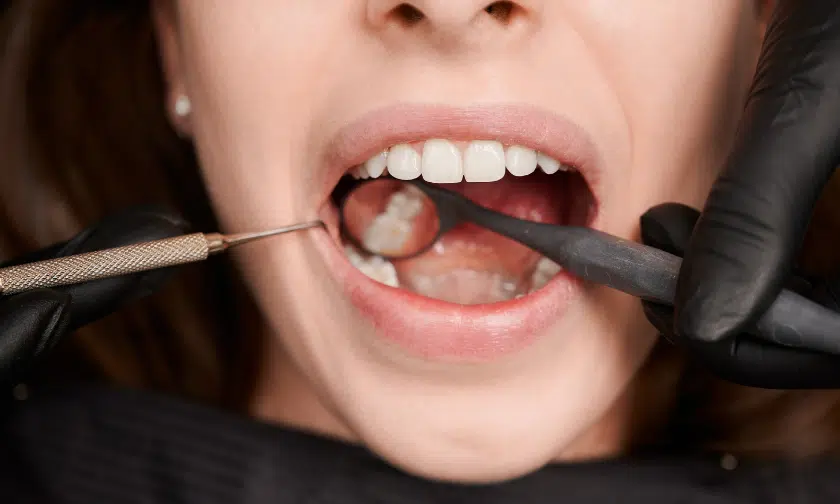
Complete Guide To Understanding Dental Crown Procedures
Are you nervous about getting a dental crown? Don’t worry, it’s a common feeling. Many people are apprehensive about dental procedures, especially when they don’t know what to expect. In this blog post, we will walk you through everything you need to know about the dental crown procedure so that you can feel confident and prepared before your appointment. From the initial consultation to post-procedure care, we’ve got you covered! So sit back and relax as we explain what happens during a dental crown procedure.
What is a Dental Crown?
A dental crown is a type of dental restoration that encases the entire tooth, restoring it to its original shape, size, and appearance. Crowns are often used to restore severely damaged or decayed teeth or to support a dental bridge. Crowns can also be used for cosmetic purposes, to cover up discolored or misshapen teeth.
The first step in getting a dental crown is to have your dentist take an impression of your tooth. This impression will be used to create a model of your tooth, which will be used to create your custom-made crown. Once your crown is ready, you will come back into the office and have it placed over your tooth. Your dentist will then adjust the fit of the crown and cement it into place.
You may experience some sensitivity in your tooth after getting a dental crown, but this should go away within a few days. It is important to brush and floss regularly and see your dentist for regular checkups to make sure your new crown is still in good shape.
Preparation for Dental Crown Procedure
A dental crown procedure is usually performed in two appointments. During the first appointment, your tooth will be prepared for the crown and an impression will be made. This impression will be used to create your custom-made crown. In some cases, a temporary crown may be placed on your tooth during this first appointment.
During the second appointment, your permanent crown will be placed. It is important to note that while dental crowns are very durable, they are not invincible. Be sure to brush and floss your teeth as you normally would and avoid chewing on hard objects to prolong the life of your dental crown.
The Dental Crown Procedure
A dental crown procedure is usually performed in two visits to the dentist. During the first visit, the tooth is prepared and an impression is made. This impression is used to create a model of your tooth, which is then used to create the custom crown. The crown is usually made of porcelain or ceramic, but can also be made of gold or other metals.
The second visit to the dentist involves placing the permanent crown onto your tooth. First, the tooth is cleaned and polished. Then, temporary cement is used to hold the crown in place while it sets. Once it sets, you will be able to bite and chew as normal.
It is important to take care of your dental crown just as you would your natural teeth. Be sure to brush and floss regularly, and visit your dentist for regular checkups and cleanings.
Aftercare of a Dental Crown
Once your dental crown procedure is complete, it is important to take care of your new crown to ensure that it lasts for many years. Here are some aftercare tips:
-Brush and floss your teeth as you normally would. Be sure to brush gently around the area where the crown meets the gum line.
-Avoid chewing hard foods or ice on the tooth with the crown.
-If you have any discomfort or sensitivity, over-the-counter pain medication can help.
-See your dentist for regular checkups and cleanings.
Alternatives to Dental Crowns
In some cases, dental crowns may not be the best option. Your dentist will always recommend the best course of treatment based on your individual needs, but there are a few alternatives to dental crowns that you may want to consider.
Dental veneers are thin, porcelain shells that are bonded to the front surfaces of your teeth. Veneers can be used to correct a wide variety of cosmetic concerns, including chipped, stained, or misshapen teeth.
Tooth bonding is another option for correcting minor cosmetic concerns. Bonding involves using a tooth-colored resin material to build up and shape your teeth. Unlike veneers, bonding is not as durable and will require more frequent touch-ups over time.
If you have extensive damage or decay in your mouth, you may need to consider more extensive treatments such as dental implants or bridges. These treatments can replace missing teeth and help support existing teeth. Talk to your dentist about all of your options before deciding on a treatment plan.
Summary
Having a dental crown procedure can be an intimidating experience, but it doesn’t have to be. Knowing what to expect before, during, and after the procedure can help ease some of your worries and make the experience much less stressful. We hope that this article has provided you with helpful information about what happens during a dental crown procedure so you know exactly what to expect from start to finish.